CYBERPOL Blacklists 300+ Lendingblock-Linked Crypto Accounts Amid Fraud and Laundering Allegations
April 23, 2026 by Aaron
In a sweeping enforcement action, CYBERPOL has blacklisted more than 300 cryptocurrency accounts after a forensics investigation which connected to the now, defunct crypto lending platform Lendingblock, citing a complex web of fraud, financial misconduct, and cross-chain money Laundering stretching 117 countries.
According to CYBERPOL officials, the operation uncovered what they describe as a “multi-dimensional threat profile” tied to Lendingblock’s activities. The case combines elements of regulated-entity abuse, large-scale securities fraud, and an orchestrated exit scheme—commonly referred to in the crypto industry as a “rug pull.”
Key Figures Behind Lendingblock
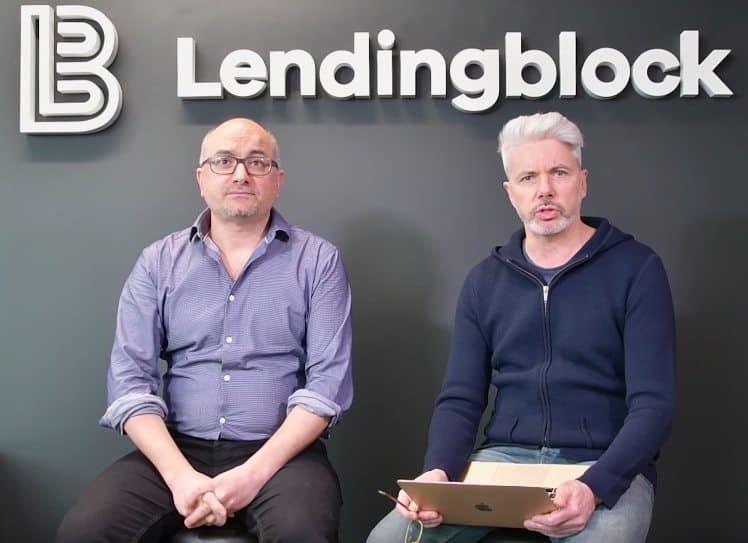
Investigators have identified Stephen Bruce Swain as a central figure in the platform’s operations. Swain, also known online as “Steve Swain CEO” and “Steve Swain Lendingblock,” served as co-founder and chief executive officer of Lendingblock Ltd.
An Australian national with an academic background in computer science and mathematics from the University of Adelaide, Swain built a career spanning more than 15 years in financial services technology. His previous roles included senior positions at major global institutions such as Lehman Brothers, Credit Suisse, Macquarie Group, and UBS. He later worked as a consultant with PwC before becoming a partner at Deloitte, advising financial services clients.
Swain co-founded Lendingblock alongside Linda Wang, who served as chief commercial officer. Internal organizational records reviewed by investigators also reference several senior operational figures, including Alex Halamins (operations director), Tamir Turdumambetov (operations analyst), and Ben Schuldenfrei (chief operating officer).
Regulatory Shield Exploited
Investigators say Lendingblock leveraged its registration under the Gibraltar Financial Services Commission Distributed Ledger Technology (DLT) framework to build credibility among investors. This regulatory status, intended to ensure transparency and compliance, was allegedly used as a “trust shield” to mask fraudulent activities.
“Bad actors are increasingly exploiting legitimate regulatory frameworks to gain investor confidence,” a CYBERPOL spokesperson said. “This case demonstrates how perceived compliance can be weaponized.”
$10 Million ICO Under Scrutiny
At the center of the investigation is Lendingblock’s initial coin offering (ICO), which reportedly raised more than $10 million from global investors. Authorities allege that the funds were misrepresented and diverted, with little to no delivery on promised platform functionality.
The ICO is now being treated as a potential securities fraud case, with investigators examining whether misleading claims were made to investors regarding returns, platform capabilities, and risk exposure.
Exit Scheme and Laundering Network
Following the fundraising phase, Lendingblock allegedly ceased operations abruptly, leaving investors without access to funds, a hallmark of exit scams. CYBERPOL’s forensic analysis indicates that assets were subsequently funneled through a sophisticated laundering network spanning both Bitcoin and Ethereum blockchains.
The agency reports that the blacklisted accounts played key roles in obfuscating transaction trails, utilizing layering techniques and cross-chain transfers to evade detection. “Ingenious indeed, one ask oneself if everyone was asleep or is it the tentacles of institutional interest”
Call for Victims to Come Forward
CYBERPOL is urging individuals affected by the scheme to act quickly. Victims are advised to contact their local law enforcement agencies or file reports through U.S. authorities to improve the chances of asset recovery.
“Time is critical in cases involving digital assets,” the agency stated. “Delays can significantly reduce the likelihood of tracing and recovering stolen funds.”
Broader Implications
The case highlights ongoing vulnerabilities in the cryptocurrency ecosystem, particularly around regulatory arbitrage and investor protection. Analysts warn that as the digital asset sector matures, fraud schemes are becoming more sophisticated, often blending legitimate frameworks with illicit intent.
CYBERPOL confirmed that investigations are ongoing and that additional enforcement actions may follow as more accounts and individuals are identified.
For affected individuals: Authorities recommend preserving all transaction records, wallet addresses, and communication logs related to Lendingblock to support ongoing investigations.